
When Should You See a Cardiologist? Expert Guide by Dr. Vikas Purohit
Many people ignore early heart symptoms until they become serious. A little chest discomfort, occasional breathlessness, or fatigue is often blamed on stress or acidity.
But your heart may be trying to warn you.
The biggest mistake patients make is waiting too long before consulting a specialist.
So, how do you know when it’s time to see a cardiologist?
Let’s understand the warning signs, risk factors, and situations where expert heart care becomes essential.
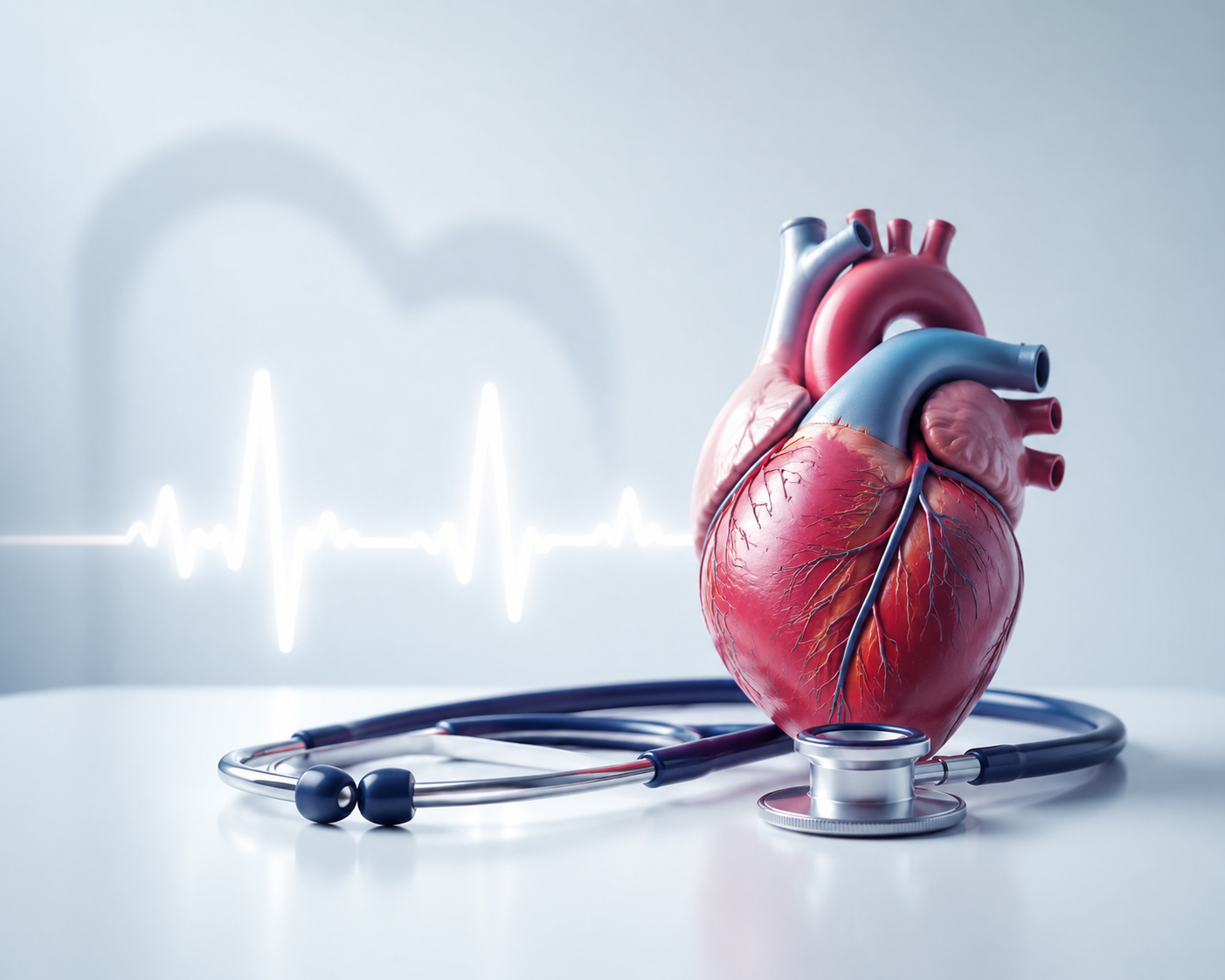
First, What Does a Cardiologist Do?
A cardiologist is a doctor who specializes in diagnosing and treating heart-related conditions such as:
- High blood pressure
- Chest pain
- Heart rhythm problems
- Heart attack
- Blocked arteries
- Heart failure
Consulting an experienced specialist like Dr. Vikas Purohit, recognized as one of the best cardiologist in Jaipur, helps in early detection and proper treatment.
10 Signs You Should See a Cardiologist
1. Chest Pain or Pressure
This is one of the most important warning signs.
Symptoms may include:
- Tightness in chest
- Burning sensation
- Pressure spreading to arm or jaw
May indicate:
- Angina
- Blocked arteries
- Heart attack
Never ignore persistent chest discomfort.
2. Shortness of Breath
Do you feel breathless while walking short distances, climbing stairs, or resting?
This could indicate:
- Reduced heart pumping
- Valve disease
- Heart failure
3. High Blood Pressure
Uncontrolled blood pressure silently damages the heart. If your BP remains high despite medication or lifestyle changes, consult a cardiologist immediately.
4. Irregular Heartbeat or Palpitations
Feeling like your heart is racing, skipping beats, or fluttering? These symptoms may signal arrhythmias that require evaluation.
5. Family History of Heart Disease
You may be at higher risk if parents had heart disease early or there is a family history of high cholesterol or hypertension. Preventive screening becomes extremely important.
6. High Cholesterol Levels
High cholesterol can lead to plaque buildup in arteries, increasing the risk of coronary artery disease. Early treatment helps prevent complications.
7. Diabetes
People with diabetes are more likely to develop heart disease. Even if you feel healthy, regular cardiac evaluation is recommended.
8. Swelling in Legs or Feet
This may indicate poor blood circulation, heart failure, or fluid retention.
9. Dizziness or Fainting
Frequent dizziness may be linked to an irregular heartbeat, reduced blood flow, or heart valve issues.
10. Fatigue Without Reason
Constant tiredness or weakness may indicate your heart is not pumping efficiently. This symptom is often ignored until the condition worsens.
Don’t Wait for a Heart Attack
Many heart conditions develop silently. Patients often visit a doctor only after:
- Severe chest pain
- Sudden collapse
- Emergency hospitalization
Early diagnosis can prevent life-threatening complications.
What Tests Might a Cardiologist Recommend?
Depending on your symptoms, tests may include:
| Test | Purpose |
|---|---|
| ECG | Detect electrical abnormalities |
| 2D Echo | Check heart structure and pumping |
| Stress Test | Evaluate heart under exertion |
| Blood Tests | Cholesterol & sugar levels |
| Angiography | Detect blocked arteries |
These tests help diagnose problems before they become serious.
Who Should Get Regular Heart Checkups?
You should schedule preventive cardiac screening if you:
- Are above 40 years
- Smoke or consume alcohol regularly
- Have diabetes or BP
- Are overweight
- Have a stressful lifestyle
Even healthy-looking individuals can have hidden heart disease.
Lifestyle Habits That Protect Your Heart
A healthy lifestyle significantly lowers heart risk.
Follow These Habits:
- Exercise regularly
- Eat balanced meals
- Avoid smoking
- Sleep well
- Manage stress
Prevention is always better than emergency treatment.
Expert Advice by Dr. Vikas Purohit
According to Dr. Vikas Purohit:
“Many serious heart conditions can be prevented if diagnosed early. Never ignore symptoms like chest pain, breathlessness, or fatigue.”
As one of the best cardiologist in Jaipur, Dr. Vikas Purohit focuses on early diagnosis, preventive care, and advanced cardiac treatment.
The Biggest Myth About Heart Disease
“I’m young, so I can’t have heart problems.”
Reality:
Heart disease is increasingly affecting younger adults due to:
- Stress
- Poor lifestyle
- Smoking
- Diabetes
Age alone does not protect your heart.
When Should You Seek Emergency Care?
Call emergency medical help immediately if you experience:
- Severe chest pain
- Sudden breathlessness
- Pain radiating to left arm or jaw
- Loss of consciousness
These may be symptoms of a heart attack.
Why Early Consultation Matters
Visiting a cardiologist early can help:
- Prevent heart attacks
- Detect blockages early
- Control BP and cholesterol
- Improve long-term heart health
Ignoring symptoms only increases risk. Book your consultation today.

Why Patients Trust Dr. Vikas Purohit
Patients choose Dr. Vikas Purohit because of:
- Expertise in heart care
- Patient-focused treatment
- Accurate diagnosis
- Advanced cardiac management
🏥 Why Patients Trust Dr. Vikas Purohit
Patients choose Dr. Vikas Purohit because of expertise in heart care, patient-focused treatment, accurate diagnosis, and advanced cardiac management.
If you’re searching for the best cardiologist in Jaipur, timely consultation can make all the difference.
FAQs
1. When should I consult a cardiologist?
You should consult a cardiologist if you experience chest pain, breathlessness, palpitations, or have high BP, diabetes, or family history of heart disease.
2. Can young people develop heart disease?
Yes. Stress, smoking, obesity, and unhealthy lifestyle habits are increasing heart disease risk in young adults.
3. What tests does a cardiologist recommend?
Common tests include ECG, 2D Echo, stress test, blood tests, and angiography.
4. Is chest pain always heart-related?
No, but persistent or severe chest pain should never be ignored without medical evaluation.
5. Who is the best cardiologist in Jaipur?
Consult Dr. Vikas Purohit for expert cardiac care and preventive heart evaluation.