
High cholesterol is often called a “silent killer” because it usually shows no obvious symptoms until it leads to serious complications like a heart attack.
In India, increasing lifestyle-related issues have made high cholesterol a common problem—even among young adults. The good news? Early detection and proper treatment can help you prevent severe heart disease and avoid procedures like angioplasty.
What Is High Cholesterol?
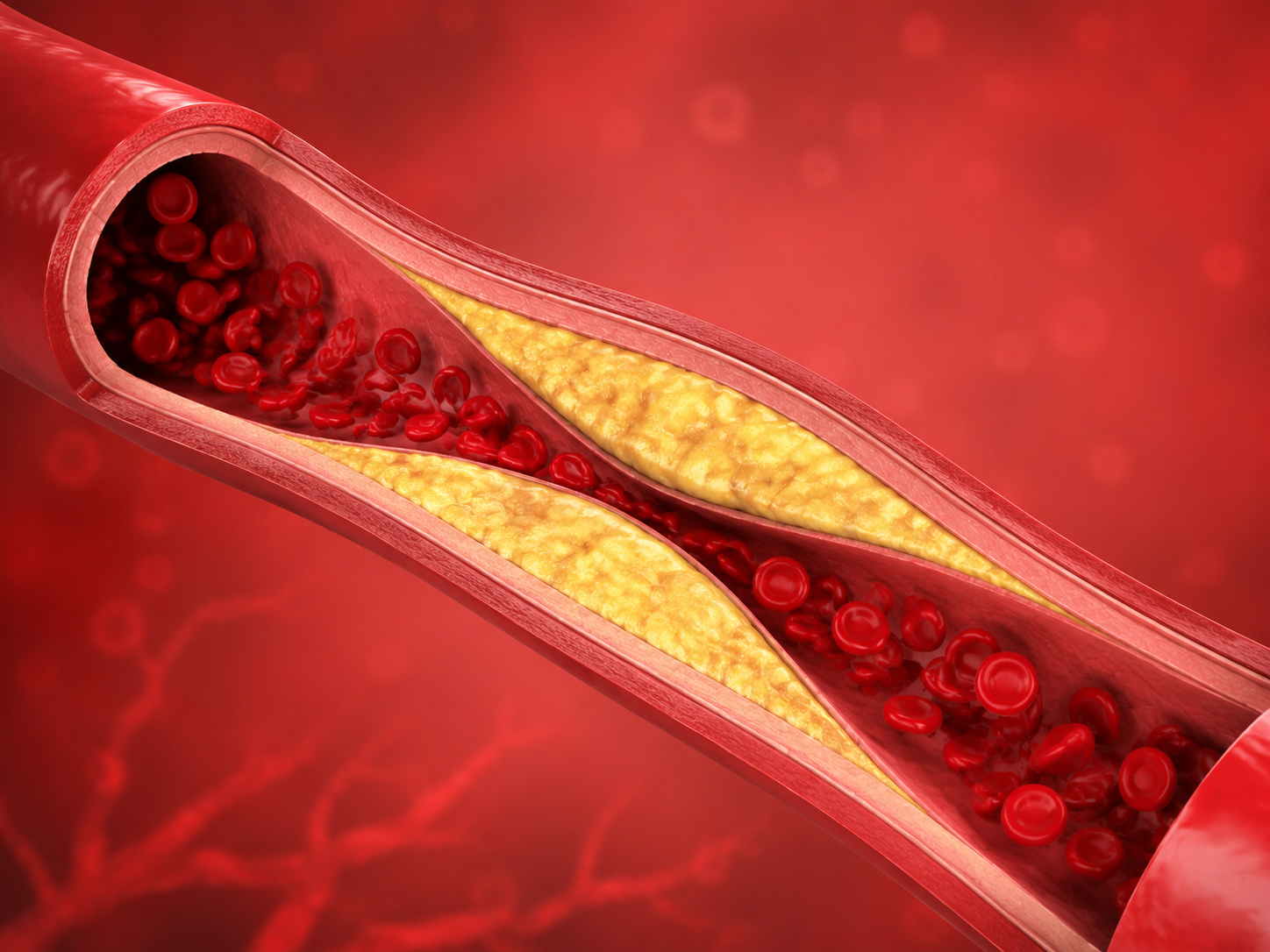
Cholesterol is a fatty substance found in your blood that your body needs to build healthy cells. However, too much cholesterol can lead to plaque buildup in arteries. This condition is known as high cholesterol.
Over time, this can block blood flow and increase the risk of heart disease.
Symptoms of High Cholesterol
One of the biggest dangers of high cholesterol is that it often has no symptoms. However, in advanced stages, you may notice:
1. Chest Pain (Angina)
Reduced blood flow to the heart can cause discomfort or tightness in the chest.
2. Shortness of Breath
Blocked arteries may limit oxygen supply, causing breathlessness.
3. Fatigue
Reduced circulation can lead to persistent tiredness.
4. Yellowish Deposits on Skin (Xanthomas)
In some cases, cholesterol deposits appear on eyelids, hands, or elbows.
5. Stroke or Heart Attack Symptoms
Severe cholesterol buildup can result in sudden chest pain, weakness, numbness, or difficulty speaking. These are medical emergencies.
Causes of High Cholesterol
Several factors contribute to rising cholesterol levels:
- Unhealthy Diet: High intake of fried foods, processed junk food, excess sugar, and trans fats.
- Lack of Physical Activity: Sedentary lifestyle leads to weight gain and poor heart health.
- Smoking: Damages blood vessels and lowers good cholesterol (HDL).
- Obesity: Excess body weight increases bad cholesterol (LDL).
- Genetics: Family history can increase your risk.
- Medical Conditions: Diabetes, hypothyroidism, and high blood pressure.
Why High Cholesterol Is Dangerous
High cholesterol leads to plaque buildup in arteries, causing coronary artery disease. This can result in:
- Heart attack or Stroke
- Blocked arteries
- Reduced blood flow
In severe cases, patients may require angioplasty to restore blood flow. Understanding the difference between angioplasty vs bypass surgery is crucial for those with severe blockages.
How Is High Cholesterol Diagnosed?
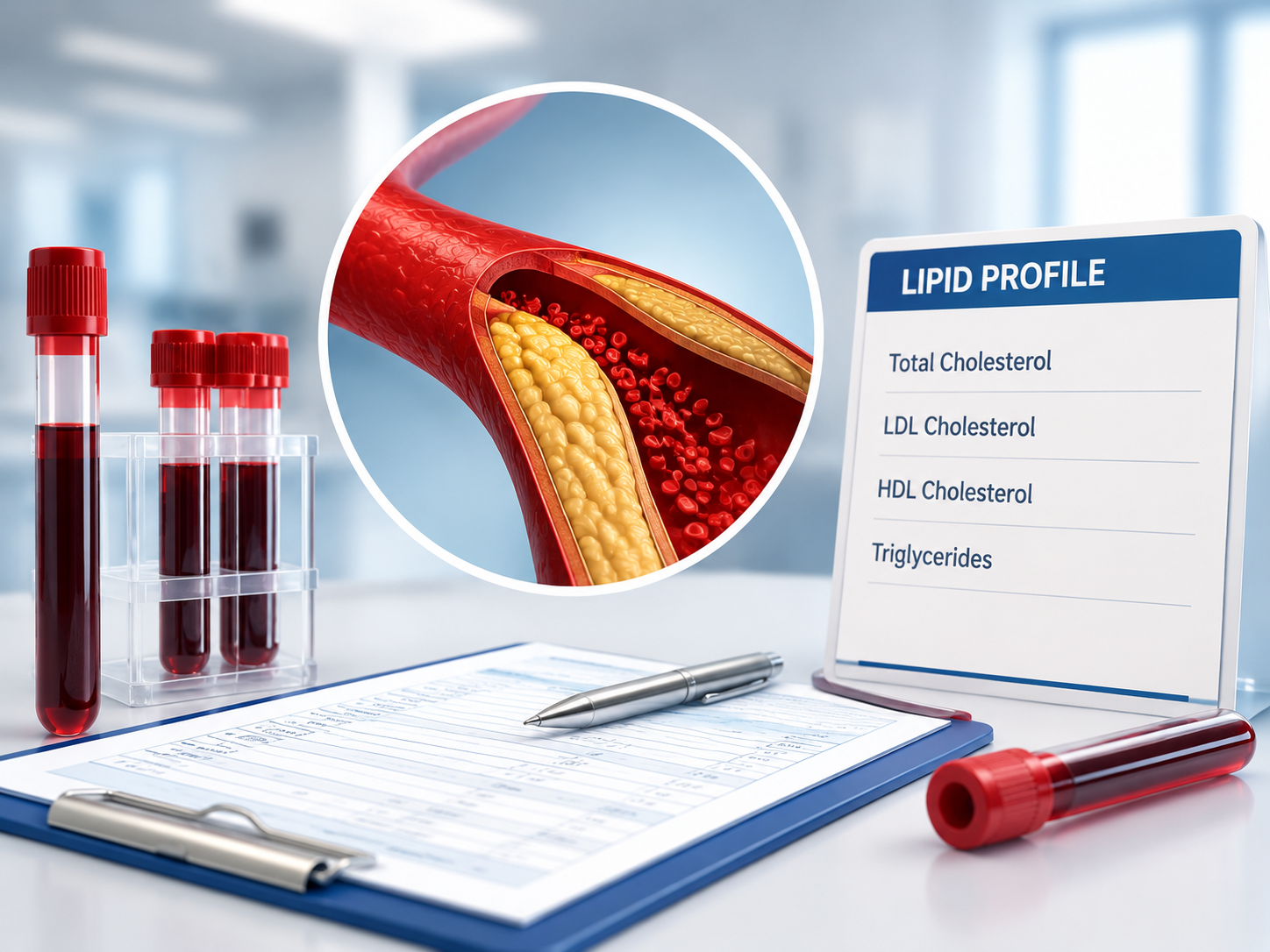
A simple blood test called a lipid profile helps measure:
- Total cholesterol
- LDL (bad cholesterol)
- HDL (good cholesterol)
- Triglycerides
Regular testing is essential, especially if you have risk factors.
When Should You See a Cardiologist?
You should consult a specialist if:
- Your cholesterol levels are high
- You experience chest pain or breathlessness
- You have diabetes or high BP
- You have a family history of heart disease
For expert care, consult Dr. Vikas Purohit, recognized as one of the best cardiologist in Jaipur.
Treatment Options for High Cholesterol
Treatment depends on your condition and risk level:
1. Lifestyle Changes
Focus on a healthy diet, regular exercise, and weight management.
2. Medications
Doctors may prescribe statins or cholesterol absorption inhibitors.
3. Advanced Procedures
In severe cases where arteries are blocked, angioplasty may be required to restore blood flow.
How to Lower Cholesterol Naturally
- Eat Heart-Healthy Foods: Oats, nuts, fruits, vegetables.
- Exercise Daily: At least 30 minutes of physical activity.
- Quit Smoking: Improves overall heart health.
- Maintain Healthy Weight: Reduces LDL levels.
- Reduce Stress: Helps control blood pressure.
Prevention Tips
- Get regular health checkups
- Monitor cholesterol levels
- Follow a balanced lifestyle
- Avoid processed food
Prevention can help you avoid serious complications and invasive treatments like angioplasty.
Expert Care by Dr Vikas Purohit
For accurate diagnosis and treatment, consult Dr. Vikas Purohit, known as the best cardiologist in Jaipur. With expertise in managing heart conditions and performing procedures like angioplasty, he provides comprehensive cardiac care tailored to each patient.
Final Thoughts
High cholesterol may not show symptoms, but its impact on your heart can be severe. Early detection, lifestyle changes, and expert medical care can help you stay healthy and prevent life-threatening complications.
Don’t wait for symptoms—take action today.

Book Your Heart Checkup Today
If you are at risk or experiencing symptoms, consult Dr. Vikas Purohit for a comprehensive evaluation.
- Expert Diagnosis & Treatment
- Advanced Lipid Management
- Personalized Preventive Care
Frequently Asked Questions
High cholesterol usually has no symptoms but may lead to chest pain, fatigue, or heart-related issues in advanced stages.
It can be controlled effectively through lifestyle changes and medication.
Angioplasty is required when cholesterol buildup causes severe artery blockage.
Adults should check every 1–2 years or as advised by a doctor.
Consult Dr. Vikas Purohit for expert diagnosis and treatment.