
Hearing the words "You need an angioplasty" can make anyone anxious. Many patients immediately imagine major surgery, severe pain, or a long recovery. It's natural to feel worried when you're told you need a heart procedure.
The good news is that coronary angioplasty is one of the most commonly performed and effective treatments for blocked heart arteries. Thanks to modern technology, it is a minimally invasive procedure that helps restore blood flow, relieve symptoms, and reduce the risk of a heart attack.
According to Dr. Vikas Purohit, an experienced interventional cardiologist and one of the best cardiologist in Jaipur, understanding the procedure often helps patients feel more confident and prepared.
This guide explains exactly what happens before, during, and after angioplasty, so you know what to expect every step of the way.
What Is Angioplasty?
Angioplasty, also called Coronary Angioplasty, is a minimally invasive procedure used to open narrowed or blocked coronary arteries.
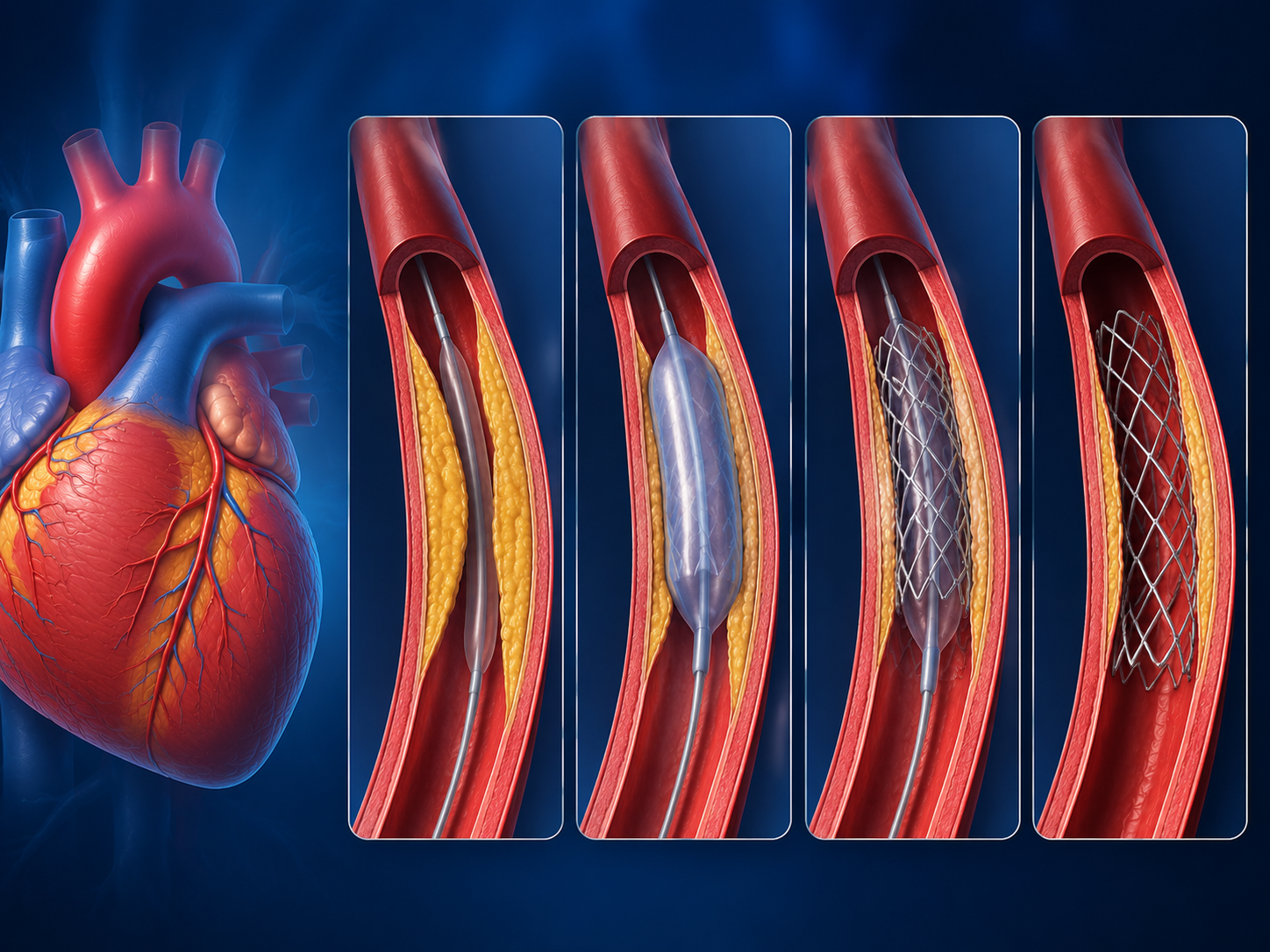
During the procedure, a tiny balloon is guided through a blood vessel to the blocked artery. Once positioned, the balloon is inflated to widen the artery, and in most cases, a stent (a small mesh tube) is placed to keep the artery open.
The goal is to improve blood flow to the heart muscle, reduce symptoms such as chest pain, and lower the risk of future cardiac events.
When Is Angioplasty Recommended?
Your cardiologist may recommend angioplasty if you have:
- Chest pain (angina) caused by reduced blood flow
- Significant blockage in one or more coronary arteries
- A heart attack requiring emergency treatment
- Symptoms that continue despite medication and lifestyle changes
- Reduced blood flow affecting your daily activities
The decision is based on your symptoms, test results, and the severity of artery blockage.
Preparing for the Procedure
Before angioplasty, your medical team will perform a detailed evaluation.
This may include:
- ECG
- Blood tests
- Echocardiography
- Coronary angiography
- Blood pressure assessment
Your doctor will also review your medications and advise whether any need to be stopped temporarily before the procedure.
Most patients are asked to avoid eating or drinking for several hours beforehand.
What Happens During Angioplasty?
One of the biggest fears patients have is not knowing what happens inside the catheterization laboratory.
Here's a step-by-step explanation.
Step 1: Local Anaesthesia
The procedure usually begins with local anaesthesia at the wrist or groin, depending on the access site.
You remain awake throughout the procedure, but the area is numbed to minimize discomfort.
Step 2: Catheter Insertion
A thin, flexible tube called a catheter is carefully inserted into a blood vessel and guided toward the heart using live X-ray imaging.
Patients generally feel pressure rather than pain.
Step 3: Finding the Blockage
A contrast dye is injected to clearly visualize the coronary arteries.
This allows the cardiologist to identify the exact location and severity of the blockage.
Step 4: Balloon Inflation
A small balloon attached to the catheter is positioned within the blocked artery.
The balloon is inflated for a few seconds, compressing the plaque against the artery wall and restoring blood flow.
Some patients experience mild chest pressure during this stage, which usually disappears quickly.
Step 5: Stent Placement
In most cases, a stent is placed to help keep the artery open after the balloon is removed.
The stent remains permanently inside the artery and becomes incorporated into the vessel wall over time.
Step 6: Completion of the Procedure
After confirming good blood flow, the catheter is removed and pressure is applied to the insertion site to prevent bleeding.
The entire procedure generally takes 30 minutes to 90 minutes, depending on the complexity of the blockage.
Will Angioplasty Be Painful?
This is one of the most common concerns.
Most patients report that angioplasty is not painful.
You may experience:
- Mild discomfort when the local anaesthetic is injected
- Brief chest pressure when the balloon is inflated
- Slight soreness at the catheter insertion site afterward
Because you remain awake, your cardiologist can communicate with you throughout the procedure and address any concerns immediately.
Recovery After Angioplasty
Recovery is usually much quicker than many patients expect.
Most individuals:
- Sit up within a few hours
- Walk the same day or the following morning
- Return home within 24 to 48 hours, depending on their condition
Recovery may take longer if angioplasty was performed during a heart attack or if multiple stents were placed.
Life After Angioplasty
Angioplasty treats blocked arteries, but it does not cure the underlying process that caused the blockage.
To protect your heart, your doctor will recommend:
- Taking prescribed medications regularly
- Following a heart-healthy diet
- Exercising as advised
- Stopping smoking
- Managing diabetes, blood pressure, and cholesterol
- Attending regular follow-up appointments
These changes help reduce the risk of future blockages.
Common Myths About Angioplasty
Myth 1: Angioplasty is open-heart surgery.
Fact: Angioplasty is a minimally invasive procedure performed through a small artery in the wrist or groin.
Myth 2: Recovery takes months.
Fact: Most patients recover within a few days and gradually return to normal activities.
Myth 3: A stent means I'll never have heart problems again.
Fact: A stent restores blood flow, but maintaining a healthy lifestyle remains essential.
Myth 4: Angioplasty is only for elderly people.
Fact: Younger adults with significant coronary artery disease may also require angioplasty.
When Should You Seek Medical Help After Angioplasty?
Contact your doctor immediately if you experience:
- Severe chest pain
- Excessive bleeding from the catheter site
- Fever
- Swelling or redness around the insertion site
- Shortness of breath
- Persistent dizziness
Early medical attention helps prevent complications.
Why Experience Matters
Successful angioplasty depends not only on technology but also on the expertise of the cardiologist performing the procedure.
Dr. Vikas Purohit has extensive experience in diagnosing and treating coronary artery disease using advanced interventional cardiology techniques.
As one of the best cardiologist in Jaipur, he provides comprehensive care—from diagnosis and angiography to angioplasty, recovery guidance, and long-term heart health management.
Final Thoughts
Feeling anxious before angioplasty is completely understandable. However, knowing what to expect can ease many of your concerns.
Modern angioplasty is a safe, minimally invasive procedure that has helped millions of people regain better heart health and return to their normal lives.
If your cardiologist recommends angioplasty, don't let fear delay treatment. Early intervention can relieve symptoms, improve quality of life, and reduce the risk of serious heart complications.

Why Choose Dr. Vikas Purohit?
Dr. Vikas Purohit is an experienced Cardiologist at Bombay Hospital, known for his expertise in:
- Coronary Angioplasty
- Peripheral Angioplasty
- Advanced Cardiac Care
- Patient-focused treatment approach
Frequently Asked Questions
No. Angioplasty is a minimally invasive procedure performed using a catheter inserted through the wrist or groin. It does not involve opening the chest.
Most procedures take between 30 and 90 minutes, depending on the number and complexity of the blockages.
Yes. Most patients remain awake during the procedure, with local anaesthesia used to numb the insertion site.
Many patients return to normal daily activities within a few days, although recovery varies based on individual health and the reason for the procedure.
While angioplasty restores blood flow, new blockages can develop over time. Following your doctor's advice on medication, diet, exercise, and regular follow-up visits helps reduce this risk.