
Best Foods for Heart Health Recommended by Cardiologists
Your heart works 24 hours a day, pumping blood to every part of your body. Yet, many people don't think about heart health until they experience symptoms like chest pain, breathlessness, or high blood pressure.
The good news is that one of the most effective ways to protect your heart starts in your kitchen.
A balanced diet rich in fibre, healthy fats, lean proteins, fruits, and vegetables can help lower cholesterol, control blood pressure, reduce inflammation, and significantly lower the risk of cardiovascular disease. Dietary patterns such as the Mediterranean and DASH diets consistently rank among the most heart-friendly eating plans.
According to Dr. Vikas Purohit, a best cardiologist in Jaipur, healthy eating isn't about following strict diets—it's about making smarter food choices every day that support long-term heart health.
Let's explore the foods cardiologists commonly recommend for a healthier heart.
Why Your Diet Matters for Your Heart
Every meal affects your cardiovascular system.
A heart-friendly diet can help:
- Lower LDL ("bad") cholesterol
- Maintain healthy blood pressure
- Reduce inflammation
- Control blood sugar
- Support healthy body weight
- Improve blood vessel function
Small, consistent dietary improvements can make a significant difference over time.
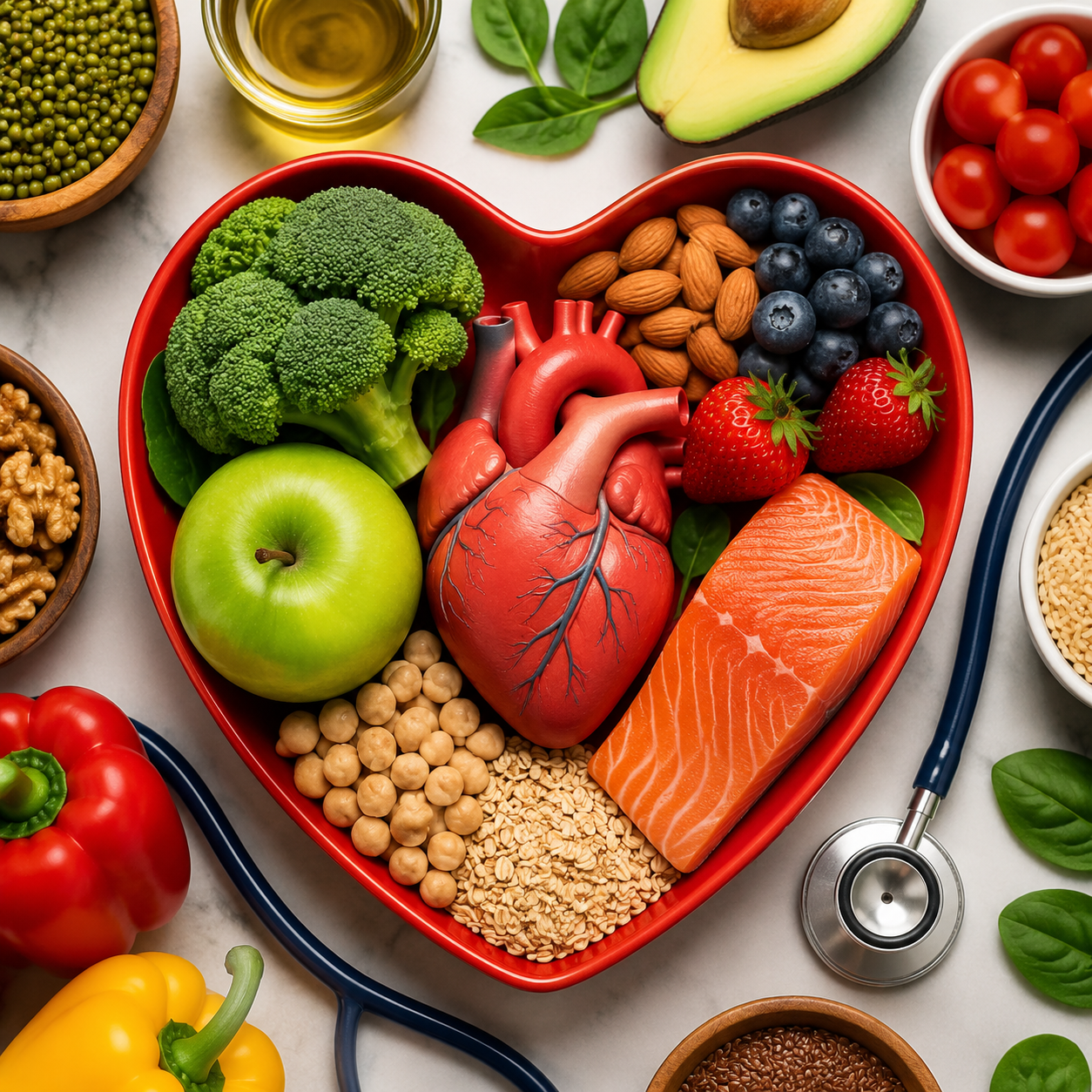
1. Oats and Whole Grains
Whole grains are rich in soluble fibre, which helps reduce LDL cholesterol and keeps blood sugar more stable.
Best choices:
- Oats
- Brown rice
- Quinoa
- Whole wheat
- Millets (jowar, bajra, ragi)
Starting your day with oatmeal or choosing whole grains over refined grains is a simple way to support heart health.
2. Green Leafy Vegetables
Leafy greens are packed with vitamins, antioxidants, fibre, and natural nitrates that support healthy blood pressure and blood vessel function.
Choose:
- Spinach
- Fenugreek (methi)
- Mustard greens
- Kale
- Amaranth
Aim to include at least one serving of green vegetables every day.
3. Beans, Lentils and Pulses
Indian dals and legumes are excellent sources of:
- Plant protein
- Soluble fibre
- Potassium
They help reduce cholesterol while keeping you full for longer.
Healthy options include:
- Moong dal
- Masoor dal
- Rajma
- Chana
- Lobia
Replacing some red meat meals with legumes supports better heart health.
4. Fatty Fish Rich in Omega-3
Omega-3 fatty acids help reduce inflammation and support healthy blood vessels.
Good choices include:
- Salmon
- Sardines
- Mackerel
- Tuna
Try to include fish once or twice each week if it fits your diet.
5. Nuts and Seeds
A small handful of nuts provides healthy fats, fibre, magnesium, and antioxidants.
Excellent choices:
- Almonds
- Walnuts
- Flaxseeds
- Chia seeds
- Pumpkin seeds
Remember that portion control is important because nuts are calorie-dense.
6. Fresh Fruits
Fruits provide:
- Fibre
- Potassium
- Antioxidants
Especially beneficial fruits include:
- Apples
- Oranges
- Berries
- Pomegranate
- Guava
Aim for a variety of seasonal fruits rather than fruit juices.
7. Colourful Vegetables
The more colourful your plate, the better.
Include vegetables like:
- Broccoli
- Carrots
- Beetroot
- Bell peppers
- Cabbage
These vegetables provide antioxidants that help protect blood vessels and reduce inflammation.
8. Healthy Fats
Not all fats are harmful.
Healthy fats found in:
- Olive oil
- Mustard oil
- Avocados
- Nuts
- Seeds
can improve cholesterol balance when they replace saturated fats.
9. Low-Fat Dairy
Choose:
- Low-fat milk
- Low-fat yogurt
- Cottage cheese (in moderation)
These foods provide calcium and protein without excessive saturated fat.
10. Herbs and Natural Spices
Many Indian spices contain natural antioxidants.
Examples include:
- Turmeric
- Garlic
- Ginger
- Cinnamon
They can add flavour while helping you reduce excess salt in your meals.
A Sample Heart-Healthy Indian Plate
Instead of following complicated diets, focus on building balanced meals.
A healthy lunch or dinner could include:
- Whole wheat roti or brown rice
- Dal or grilled fish
- Mixed vegetable sabzi
- Fresh salad
- A bowl of curd
- A seasonal fruit
This approach provides fibre, lean protein, healthy fats, and essential nutrients.
Foods That Can Harm Your Heart
Just as important as knowing what to eat is understanding what to limit.
Reduce intake of:
- Deep-fried foods
- Bakery products
- Processed meats
- Sugary beverages
- Packaged snacks
- Excess salt
- Foods high in saturated and trans fats
Even foods marketed as "healthy," such as some protein shakes, granolas, and products made with coconut oil, may contain hidden sugars or saturated fats, so reading labels is important.
Don't Forget Hydration
Water supports circulation and overall body function.
Aim to:
- Drink enough water throughout the day
- Reduce sugary drinks
- Limit soft drinks and excessive energy drinks
Hydration also supports healthy blood pressure.
Heart Health Is More Than Food
Diet works best when combined with healthy habits.
Remember to:
- Exercise for at least 30 minutes most days
- Maintain a healthy weight
- Quit smoking
- Sleep 7–8 hours
- Manage stress
- Attend regular health checkups
Expert Advice from Dr. Vikas Purohit
According to Dr. Vikas Purohit:
"There isn't one 'superfood' that can prevent heart disease. Long-term heart health comes from consistently choosing balanced meals, staying physically active, and managing risk factors like blood pressure, cholesterol, and diabetes."
As a trusted best cardiologist in Jaipur, Dr. Vikas Purohit encourages preventive care because healthy habits today can reduce the risk of serious heart problems tomorrow.
The Bottom Line
Your daily food choices directly influence your heart health.
Choosing whole foods, eating more fruits and vegetables, replacing unhealthy fats with healthier options, and limiting processed foods can help reduce your risk of heart disease and improve your overall well-being.
Small dietary improvements made consistently often have a greater impact than following restrictive diets for a short period.
Protect Your Heart with Expert Guidance
If you have high cholesterol, high blood pressure, diabetes, or a family history of heart disease, don't wait for symptoms to appear.
Schedule a heart health evaluation with Dr. Vikas Purohit, a respected cardiologist in Jaipur, for personalized guidance on preventive heart care and cardiovascular risk management.
Frequently Asked Questions
Whole grains, fruits, vegetables, beans, nuts, seeds, fatty fish, and healthy oils are among the best foods for supporting heart health.
Yes. Increasing soluble fibre, eating healthy fats, and reducing saturated and trans fats can help lower LDL cholesterol as part of an overall healthy lifestyle.
Moong dal, rajma, whole wheat roti, millets, leafy vegetables, fresh fruits, curd, and homemade vegetable dishes prepared with less oil are heart-friendly choices.
Yes. Almonds, walnuts, flaxseeds, and chia seeds provide healthy fats and fibre. However, they should be eaten in moderation.
If you have high cholesterol, high blood pressure, diabetes, chest discomfort, breathlessness, or a family history of heart disease, consult a cardiologist for timely evaluation.